On April 24 Uganda’s digital and business leadership community will converge at the National ICT Innovation Hub in Nakawa for the inaugural CIO Conclave organized by the CIO-CxO Digital Leadership Forum, anchored on a timely and transformative theme: “The CIO as a Business Strategist.”
More than just another industry gathering, the 2026 CIO Conclave is shaping up to be a defining moment in Uganda’s digital transformation journey, one that challenges long-held perceptions about technology leadership and repositions it at the center of business and national development.
For years, the role of the Chief Information Officer (CIO) has often been viewed through a narrow lens, focused primarily on infrastructure, systems, and technical operations. However, as organizations become increasingly digital, that perception is rapidly evolving.
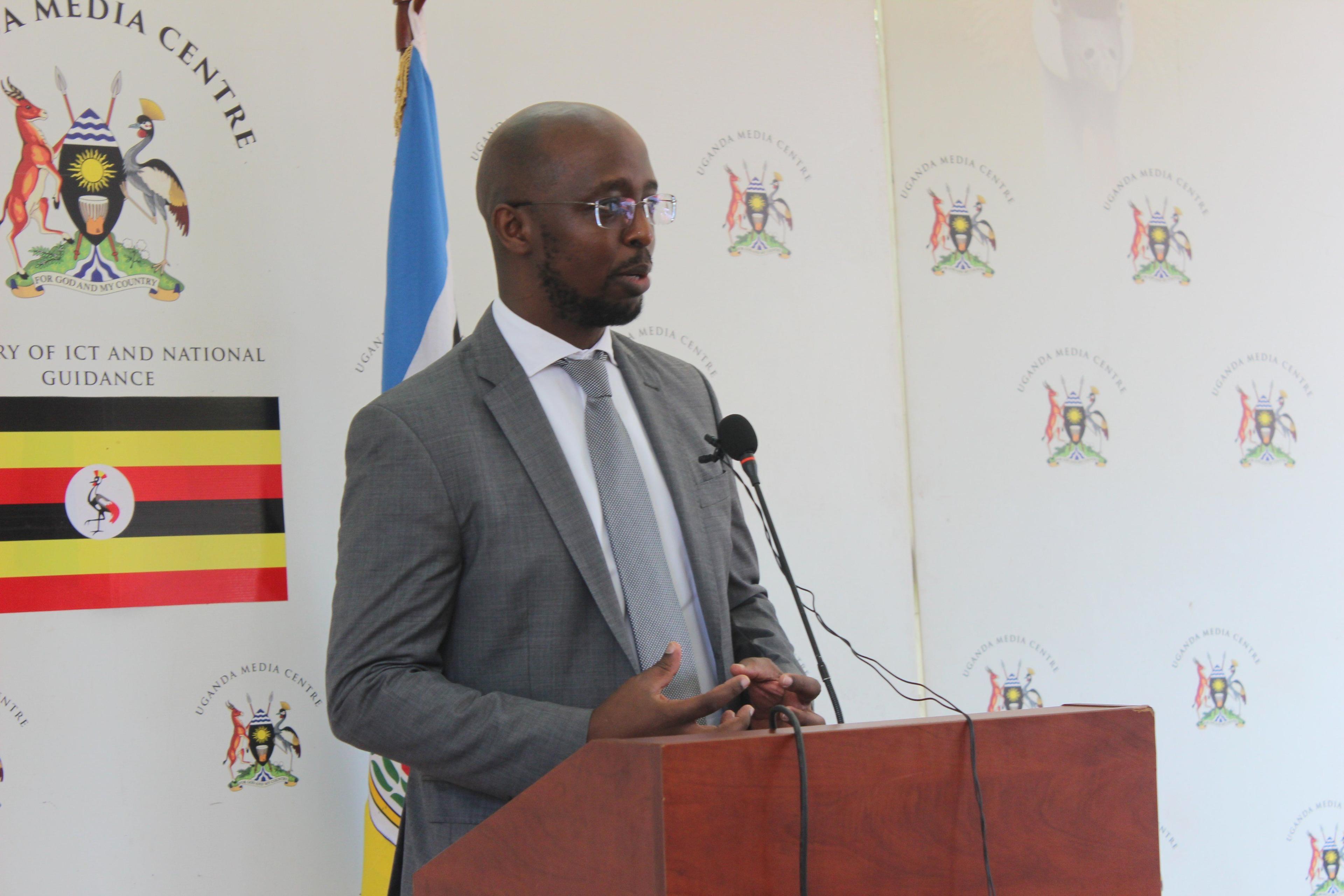
At CIO Conclave press conference, held last week at the Uganda Media Center, Dr. Hatwib Mugasa delivered a compelling but urgent message that set the tone for the CIO Conclave. He emphasized that technology can no longer be treated as a back-office function reserved for a narrow circle of specialists.
IT is not only for the IT gurus. IT is an enabler.
This statement captures the essence of the 2026 CIO Conclave. The CIO is no longer just a custodian of systems but a strategic partner, one who influences decision-making, drives innovation, and aligns technology with business outcomes.
One of the distinguishing features of the CIO Conclave is its cross-sectoral approach. Dr. Mugasa highlighted the importance of this inclusivity, noting that meaningful digital transformation cannot happen in isolation.
“We bring people from different industries so that solutions are understood and used in the right way.”
This approach recognizes a critical reality: technology is only as effective as its adoption. By engaging decision-makers and practitioners from multiple sectors, the CIO Conclave aims to ensure that digital solutions are grounded in real-world needs.
A recurring theme in Dr. Mugasa’s remarks was the need to design technology solutions with the user in mind. Too often, organizations deploy systems based on assumptions rather than actual user needs, leading to low adoption and limited impact.
He pointed to examples from everyday business life, explaining that someone operating in Kikubo or any other part of the economy should not be handed a solution that was designed in isolation. Instead, users should be the ones to define what they need, whether that is devices, software, connectivity, or a more suitable way of working. His argument was that technology must respond to the pain points of users, not the other way around.
This user-first philosophy is central to the idea of the CIO as a business strategist. It requires CIOs to move beyond technical expertise and develop a deep understanding of the environments in which their organizations operate.
In his concluding remarks, Dr. Mugasa challenged stakeholders to think critically about how emerging technologies, particularly artificial intelligence (AI) can be applied to agriculture in practical ways.
“We are an agricultural country. What are we doing for the farmers?”
This question underscores a broader point: digital transformation must be inclusive. It must address the needs of farmers, small businesses, and informal sector players not just large organizations.
By bringing these perspectives into the conclave, the forum is positioning itself as a platform for solutions that are both innovative and relevant.
Dr. Mugasa wrapping up his remarks called on CIOs, business leaders, policymakers, and innovators to attend and actively contribute to the discussions. His invitation is more than a formality, it is a recognition that the success of Uganda’s digital transformation depends on collective effort.